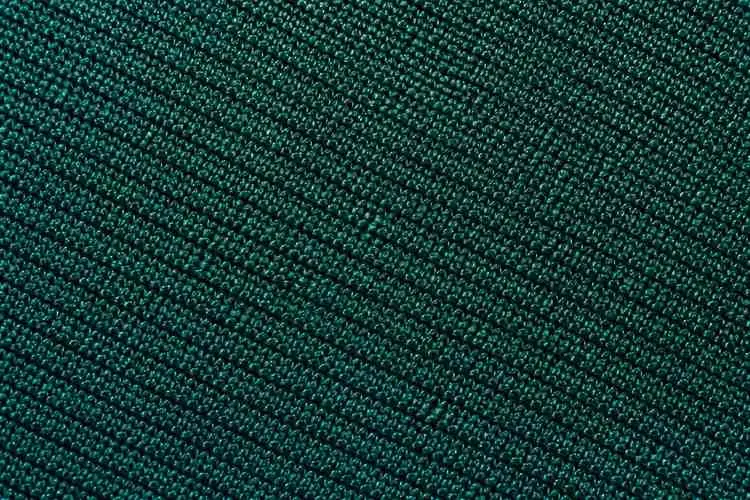
A Factory-Direct Sourcing Reference: Fabric choice dictates drape, recovery, retail hand-feel, and longevity under chlorine and UV exposure. Compiled by the textile engineering team at Beyond Swimwear Co., Ltd., this technical guide explains fiber compositions, GSM weight trade-offs, certified eco-recycled yarns, and mill-sourcing routes for private label and apparel brands.
Nylon Spandex
Supple, silky "second-skin" drape. The benchmark for luxury bikinis, resort collections, and high-elastic contours.
Polyester Spandex
Engineered for high chlorine resistance, low water absorption, and high-definition all-over sublimation prints.
Sustainable Fibers
REPREVE® recycled polyester and ECONYL® regenerated nylon. GRS-verified batch traceability for retail compliance.
Certified Safety
OEKO-TEX® Standard 100 Class I certified. Lab-verified against 350+ regulated hazardous substances for prolonged skin contact.
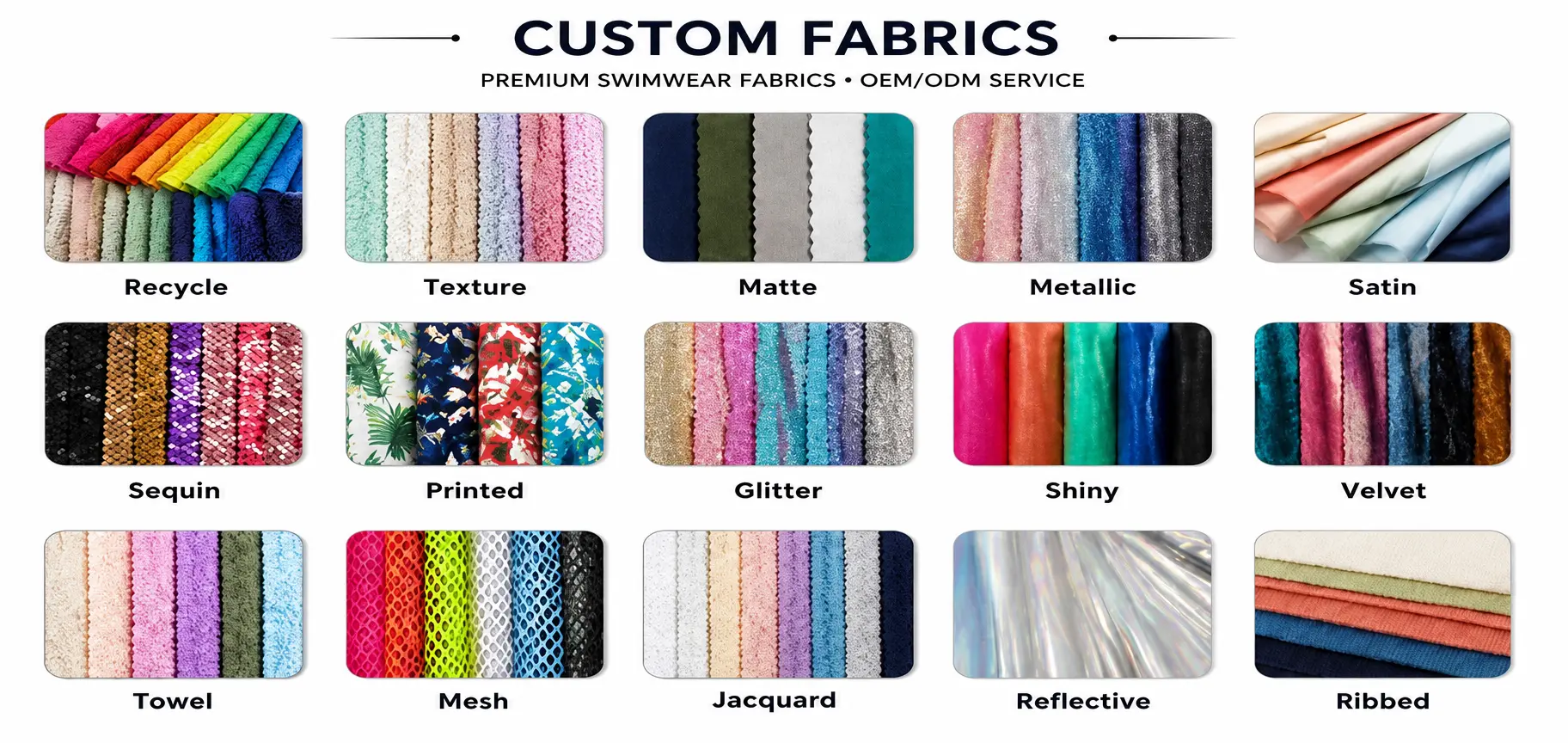
Core Performance Fabric Compositions
Modern performance swimwear relies on warp-knitted tricot or circular knits combining synthetic microfibers with premium elastane (Spandex). Below is an overview of the six primary compositions utilized in bulk manufacturing at Beyond Swimwear Co., Ltd.:
| Fabric Group | Typical Ratio | Technical Characteristics | Optimal Garment Category |
|---|---|---|---|
| Nylon + Spandex (Polyamide Blend) | 80–90% Nylon, 10–20% Spandex | Ultra-soft hand feel, four-way stretch, contour recovery, body-hugging drape | Premium bikinis, resortwear, seamless one-pieces |
| Polyester + Spandex (Poly Blend) | 80–90% Polyester, 10–20% Spandex | High chlorine resistance, color fastness under UV, low moisture retention | Sublimation printed swimwear, active surfwear, men's trunks |
| REPREVE® Recycled Polyester | 82–84% rPET, 16–18% Spandex | Certified post-consumer bottle recycling, smooth matte finish, quick-drying | Sustainable DTC collections, eco-conscious private label lines |
| ECONYL® / Carvico VITA | 78% Recycled Polyamide, 22% Elastane | Regenerated ocean waste, buttery compression, high recovery modulus | High-end designer eco collections, athletic competitive swimwear |
| Textured 3D Ribbed Knit | Nylon or Polyester + Spandex | Distinct vertical ridges, tactile visual depth, structural hold | Fashion bikinis, textured bandeau sets, retro resort styles |
| Matte / Athletic Compression Knit | Heavyweight Nylon/Poly + Spandex | Zero-sheen surface, smoothing compression, non-sheer coverage | Minimalist essentials, sculpting one-pieces, modest swimwear |
Detailed Fabric Characteristics & Application Analysis
1. Nylon Spandex — The Industry Gold Standard for Hand-Feel
Nylon (polyamide) is the benchmark fiber across North American and European premium swimwear markets. Its microfilament structure creates a cool, silky touch against the skin, delivering what consumers recognize as true luxury apparel quality.
- Standard Ratios: 82/18, 80/20, and 78/22 Nylon/Spandex or Elastane.
- Tensile Recovery: Exceptional multidirectional modulus that hugs curves without pinching.
- Target Applications: High-cut one-pieces, tie-string bikinis, seamless reversible collections.
- Manufacturing Insight: Nylon absorbs dye deeply for rich solid hues. For high-chlorine public swimming pools, rinse testing or poly-based alternatives are recommended to prevent premature fiber degradation over 100+ submerged hours.
2. Polyester Spandex — Chemical Resistance & Sublimation Mastery
Polyester fibers are naturally hydrophobic, resistant to harsh chlorine pool chemistry, and highly resilient against sunlight degradation. When your brand requires vivid all-over graphics, polyester is the preferred technical choice.
- Standard Ratios: 85/15 and 88/12 Poly/Spandex warp tricot.
- Print Performance: Disperse dyes chemically bond into the fiber core at 200°C under heat sublimation, ensuring zero cracking or print washout.
- Target Applications: Boardshorts, competition racing suits, high-sun UPF 50+ rashguards, branded seasonal prints.
3. Certified Recycled & Ocean-Regenerated Textiles
Environmental stewardship is increasingly mandatory for retail placement. Beyond Swimwear Co., Ltd. provides certified recycled fabrics backed by lot-level documentation:
- REPREVE® Polyester: Sourced from Unifi-certified mills; transforms post-consumer plastic water bottles into microfilament yarns. An order of 1,000 bikini sets diverts approximately 12,000 plastic bottles from oceans and landfills.
- ECONYL® Regenerated Polyamide: Synthesized by depolymerizing industrial nylon scraps and ghost fishing nets recovered from the sea. Delivers identical tensile strength, stretch modulus, and hand-feel to virgin nylon.
- Italian Carvico VITA: Crafted with ECONYL®, featuring high compression resistance, sun cream/oil resistance, and shape retention over extended wear.
GSM Fabric Weight Matrix (Grams per Square Meter)
GSM dictates fabric thickness, structural drape, opacity, and compression tension. Selecting incorrect weights can result in sheer swim bottoms or overly rigid swimwear tops:
| Weight Bracket | Technical Profile | Manufacturing Application |
|---|---|---|
| 180 – 200 GSM | Lightweight, supple drape, fast drying cycle | Micro-string bikinis, ruffled accents, light summer bandeau tops |
| 200 – 240 GSM | Standard production weight, full wet opacity, balanced structural memory | Industry standard for 80% of bikinis, one-pieces, and athletic rashguards |
| 240 – 300 GSM | Heavyweight compression, body-sculpting panels, zero wet translucency | Shapewear swimwear, structured underwire pieces, modest burkini suits |
Internal Linings & Under-Layer Engineering
A custom swimwear garment is only as functional as its interior construction. Beyond Swimwear Co., Ltd. applies technical interior fabrics to balance opacity and wearability:
- Micro-Nylon Stretch Lining (140–160 GSM): Ultra-breathable, silky interior lining standard in high-end women's collections. Prevents friction while maintaining quick dry-out times.
- Power Mesh Structural Netting (180–220 GSM): High-modulus elastane grid used across interior tummy-control zones and support side-wings.
- 100% Breathable Cotton Gusset: Hypoallergenic, OEKO-TEX® certified crotch liners fitted as standard in every women's bottom SKU.
- Quick-Dry Hydrophobic Tricot: Breathable micro-mesh pocketing and interior brief support engineered for men's swim trunks.
Four B2B Fabric Sourcing Routes for Brand Production
1. Stock Colorway Library
In-stock rolls of REPREVE® and premium nylon spandex stored in our Guangzhou warehouse. Fastest sampling cycle with zero lab-dip delay.
2. Sublimation Printing
Custom digital sublimation directly onto virgin or recycled polyester. Sharp vector artwork output with zero cylinder charges.
3. Pantone Custom Dyeing
Custom mill dyeing matched exactly to your Pantone TPX/TCX code. Includes physical lab dips for color sign-off before roll dyeing.
4. Bespoke Mill Weaving
Custom-engineered fabric surfaces including exclusive jacquards, bespoke ribbed spacing, or custom-calendered metallic finishes.
Technical Best Practices for Swimwear Production
Pure white, ecru, and pastel fabrics can become semi-sheer when wet. We recommend applying a double-layer self-lining or integrating our high-density 160 GSM nylon lining to ensure total opacity in water.
Contrast-piping designs (such as white binding against black or navy panels) require strict colorfastness testing (Grade 4–5). We pre-wash and lab-test test swatches in saline solutions prior to cutting bulk rolls.
Avoid selecting heavyweight 260 GSM fabric for skimpy slide-triangle bikinis, as it creates bulky seams. Reserve heavy weights for wide waistband bands and tummy-shaping suits.
Marketing sustainable swimwear in the US and EU requires legitimate documentation. Beyond Swimwear Co., Ltd. issues verified GRS transaction certificates alongside your bulk commercial invoice.
Frequently Asked Questions: Swimwear Fabrics
What fabric is swimwear made of?
Most swimwear is constructed from synthetic knit blends combining 80% to 90% nylon or polyester with 10% to 20% spandex (elastane). Nylon blends provide a silky, supple hand feel for premium bikinis, while polyester blends offer chemical resilience for chlorinated pools and sublimation printing. Sustainable lines utilize certified REPREVE® recycled polyester or ECONYL® regenerated nylon.
Is nylon or polyester better for swimwear?
Neither is unilaterally better; selection depends on your brand's application. Nylon delivers a luxurious "second-skin" drape ideal for high-end fashion swimwear. Polyester excels in high-chlorine resistance, dimensional stability, and vibrant all-over sublimation printing, making it the practical choice for active swim collections and men's beach trunks.
Does recycled polyester perform as well as virgin polyester?
Yes. REPREVE® recycled polyester matches virgin polyester in tensile strength, four-way elasticity, and colorfastness. It accepts disperse sublimation dyes cleanly, is GRS-certified, and each 1,000 produced sets diverts roughly 12,000 discarded bottles from the environment.
How can I request physical fabric swatches?
Our sales engineering team can ship a curated fabric swatch book containing our core nylon spandex, REPREVE® shades, textured ribs, jacquards, and lining swatches directly to your design studio via express courier.