Recycled Polyamide (Nylon 6)
Regenerated from abandoned ocean fishing nets, carpet fluff, and industrial post-consumer polymer waste. Delivers the signature silky micro-touch required for luxury, high-compression women’s bikinis and bodysuits.

Global buyers sourcing sustainable swimwear fabrics frequently struggle with fiber performance trade-offs, certification authenticity, and minimum order hurdles. Here is your definitive engineering analysis covering REPREVE®, ECONYL®, bio-based polyamides, and low-MOQ bulk manufacturing by Beyond Swimwear Co., Ltd.
Modern consumers and international customs regulations demand verifiable sustainability. However, swimwear brands cannot sacrifice chlorine resistance, modulus recovery, or hand-feel.
At Beyond Swimwear Co., Ltd., we combine cutting-edge textile science with direct Chinese factory infrastructure. As a specialized manufacturer operating in Guangzhou since 2017, we curate certified sustainable swimwear fabrics that match or exceed the durability of virgin petrochemical synthetics.
Lab-Tested Resilience: Every lot of recycled fabric processed on our floor undergoes four-way elongation, wet crocking, UV fading (AATCC 16.3), and pool water chlorine exposure tests before cutting.
Regenerated from abandoned ocean fishing nets, carpet fluff, and industrial post-consumer polymer waste. Delivers the signature silky micro-touch required for luxury, high-compression women’s bikinis and bodysuits.
Precision-drawn from recycled PET beverage bottles via mechanical purification and re-polymerization. Features high tensile strength, supreme quick-drying efficiency, and unmatched color vibrancy in digital sublimation printing.
Next-generation non-food feedstock polymers derived from industrial castor bean oil and plant glucose. Drastically lowers the upstream carbon footprint while delivering natural bacteriostatic and quick-drying qualities.
Degradable or partially recycled elastane blends (including Roica Eco-Smart™ and CREORA® Highclo™) engineered to withstand pool chemicals, sunscreens, and body oils without premature bagging or elastomeric degradation.
Selecting the exact knit, weight, and yarn formulation is vital for garment drape, recovery, and opacity when wet. Below are our four core recommendations for commercial apparel collections.
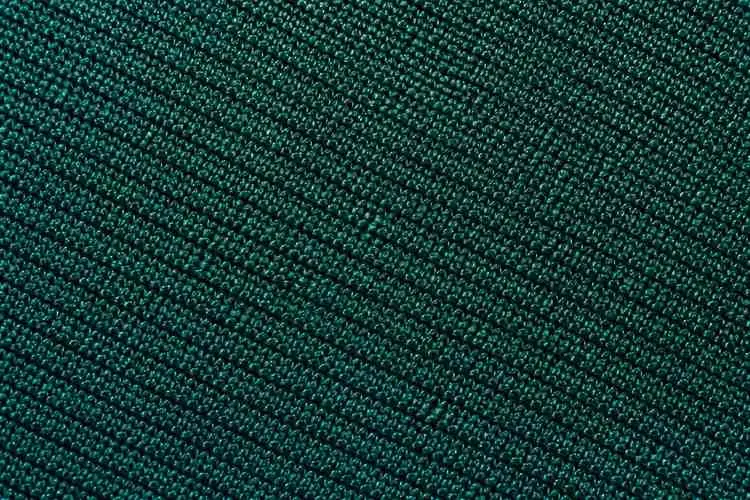
The global benchmark for prestige swimwear. Offers an ultra-soft peached hand, high modulus muscular compression, and maximum shape memory.
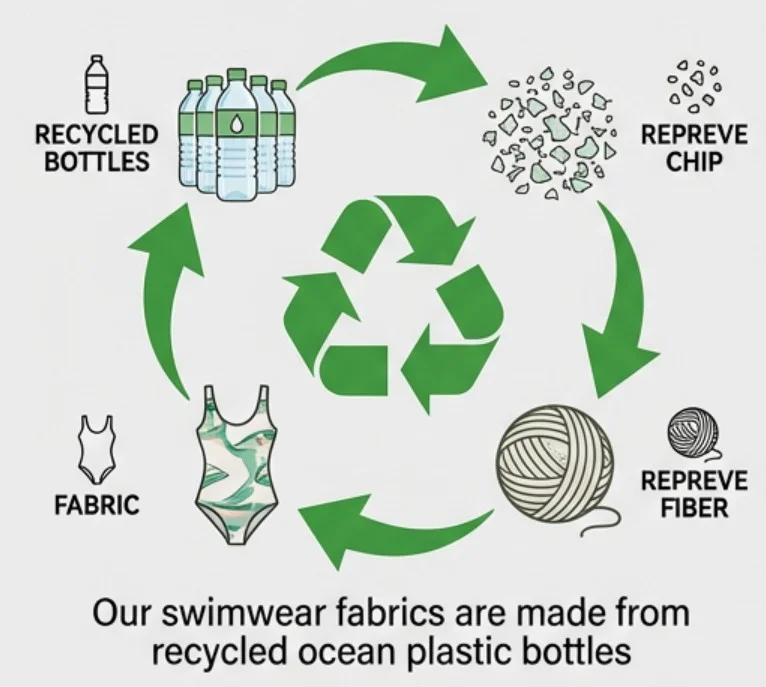
Engineered from bottle flakes into high-filament yarn. Delivers crisp ink penetration, razor-sharp photographic prints, and zero water retention.
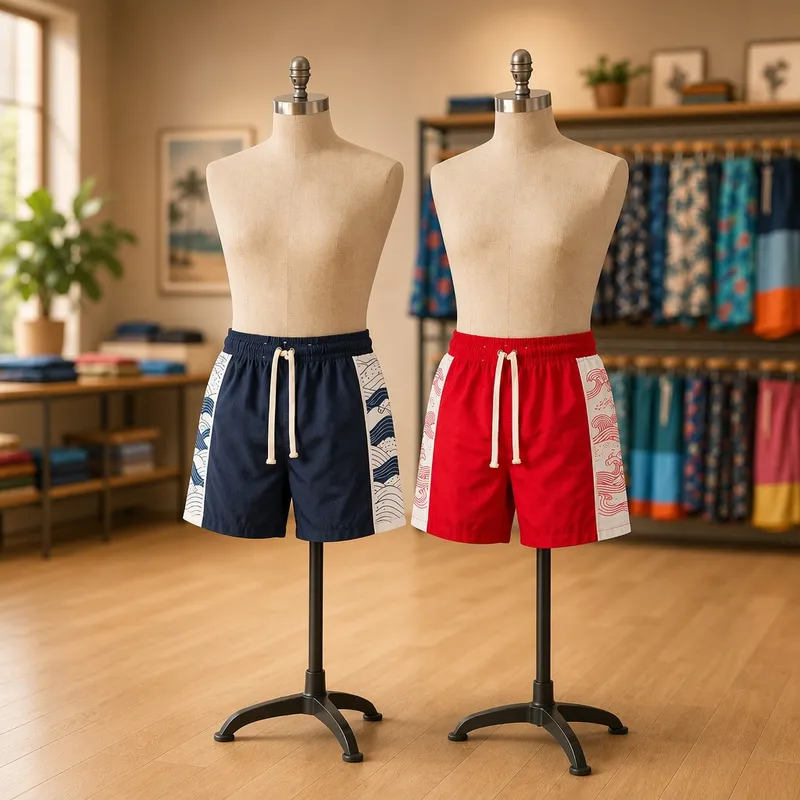
Ultra-light, mechanical-stretch recycled micro-poly woven. Features PFC-free durable water repellent (DWR) coating for rapid 3-minute drying.
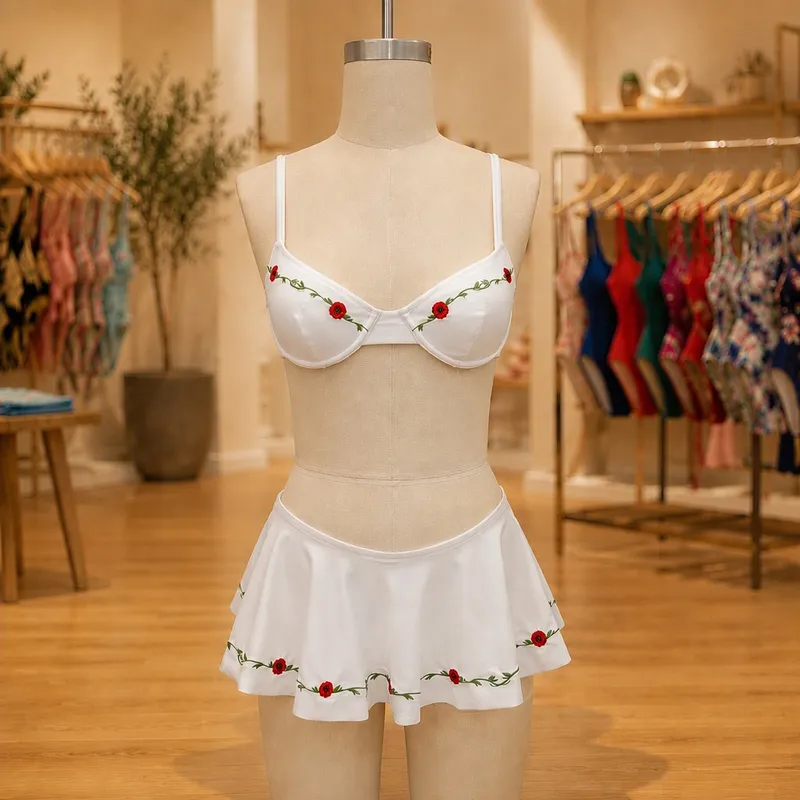
3D textured knits created with recycled yarns. Provides generous opacity, dynamic surface dimension, and forgiveness across diverse size profiles.
An objective, side-by-side performance audit designed for sourcing directors, garment technicians, and product developers.
| Performance Parameter | Regenerated Nylon 6 (ECONYL®) | Recycled Polyester (REPREVE®) | Bio-Based Polyamide (Castor/Corn) | Virgin Conventional Nylon |
|---|---|---|---|---|
| Raw Material Provenance | Discarded fishing nets, fabric scraps, ocean debris | Post-consumer recycled PET beverage bottles | Renewable industrial castor bean oil or vegetable glucose | Petroleum-derived crude oil & caprolactam |
| Hand Feel & Tactile Drapery | Supple, buttery-soft, luxury drape | Slightly firmer, dry touch, high modulus | Silky, extremely light, moisture-wicking | Standard smooth synthetic hand |
| Sublimation Printing Precision | Accepts direct disperse/acid with moderate sharpness | Optimal; ultra-vivid, deep penetration, zero bleeding | Moderate; requires specialized dye chemistry | Standard wet printing or paper transfer |
| Chlorine & Sunscreen Resistance | High (when paired with anti-chlorine elastane) | Superior (chemically inert to swimming pool hypochlorite) | Good; resilient against sweat and body oils | Moderate; prone to premature elastane rupture |
| Carbon Footprint Reduction | Up to 80–90% reduction vs virgin nylon | Up to 60–75% reduction vs virgin polyester | Up to 45–60% reduction vs virgin synthetics | Baseline high petrochemical footprint (0% savings) |
| Independent Certification | GRS GRC03701, OEKO-TEX® Standard 100 Class I | GRS Certified, OEKO-TEX® Standard 100 Class I | USDA BioPreferred, OEKO-TEX® Class I | OEKO-TEX® (depends entirely on finishing mill) |
| Beyond Swimwear Factory MOQ | 50 pcs per style & color (In-Stock Program) | 50 pcs per style & color (In-Stock Program) | 150–300 pcs (Custom mill run) | 50 pcs per style & color |
Technological evolution, geopolitical policy shifts, and next-gen material engineering are reshaping how global brands source their eco swimwear lines.
By 2026–2028, all textile products sold in the European Union will mandate batch-level lifecycle tracing under the Ecodesign for Sustainable Products Regulation (ESPR). Our factory provides full fiber provenance, transaction certificates (TC), and chemical compliance dossiers to ensure your collection meets zero-tariff customs clearance without risk of detention.
While mechanical bottle recycling (rPET) dominated the past decade, the industry is pivoting toward true circularity: chemical recycling of worn-out garments and textile remnants back into pure polymer chains. We actively pilot closed-loop recycled yarns that eliminate textile scrap waste from entering landfills.
Global regulatory bodies have phased out long-chain per- and polyfluoroalkyl substances (forever chemicals). Beyond Swimwear Co., Ltd. incorporates certified fluorine-free C0 hydrophobic finishes on men's boardshorts and women's active rash guards, delivering rapid evaporation with zero bioaccumulative toxins.
Standard synthetic fibers shed microplastics during machine washing. Newer compact-spun and high-gauge warp-knit constructions yield dense interlocked loop matrices that reduce fiber fragmentation by up to 65% during aquatic laundering, meeting stringent Scandinavian environmental benchmarks.
Traditionally, spandex locked fabrics into landfill destinies because the blended polymers could not be separated. Emerging engineered elastomers such as Roica™ V550 break down in anaerobic marine and compost environments without releasing hazardous amines, opening the door for fully biodegradable swimwear.
Mass inventory commitments of 1,000+ pieces are unsustainable for modern DTC brands. The future belongs to agile supply chains: maintaining core certified sustainable fabrics in greige stock and printing or dyeing in runs of 50 to 100 units to match real-time sell-through data.
Founded in 2017 in Guangzhou, China, Beyond Swimwear Co., Ltd. operates as a true factory-direct OEM/ODM partner for designer swimwear, resortwear, and athletic beach labels across more than 30 nations.
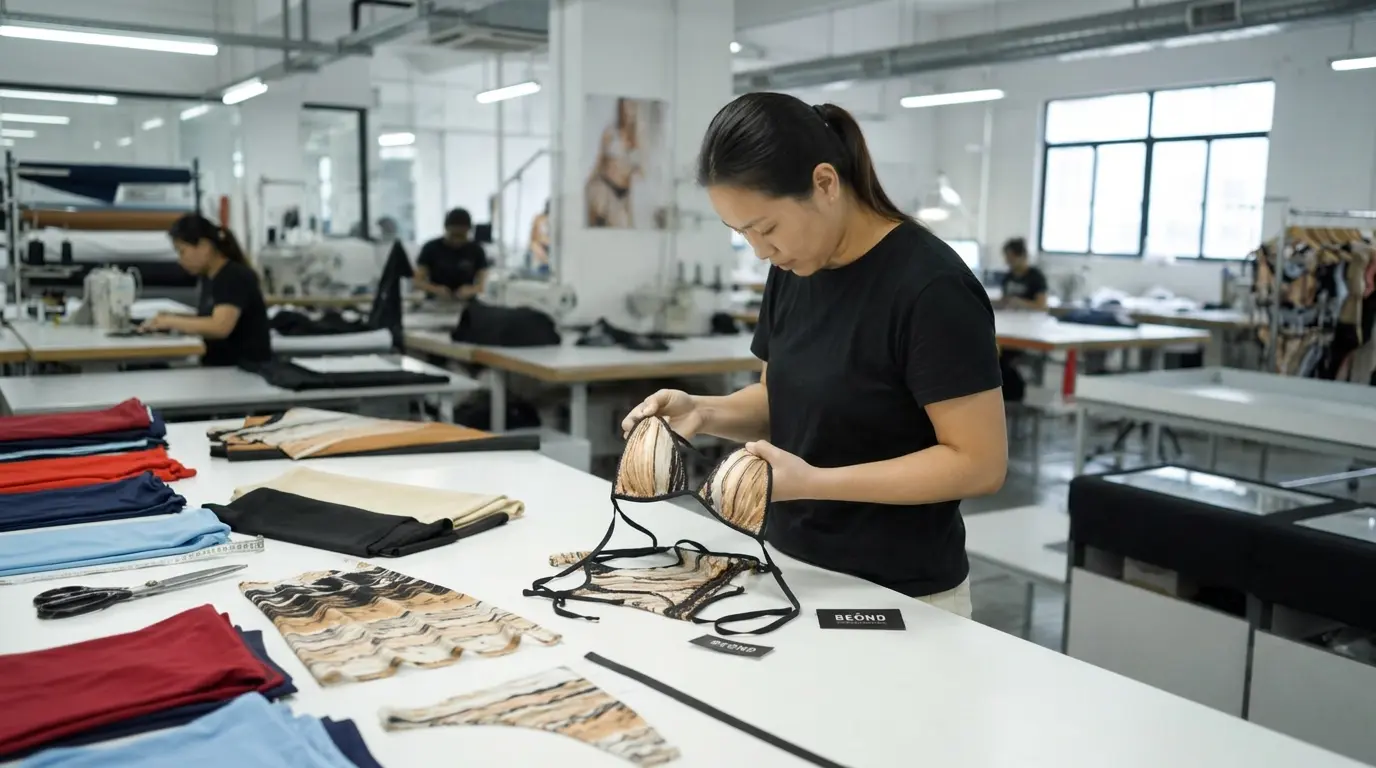
Unlike middlemen trading agents who subcontract across non-certified cottage workshops, our entirely in-house workflow houses pattern grading (XS to 3XL), computerized laser cutting, high-definition Japanese sublimation printing, cleanroom garment assembly, and strict AQL 2.5 final inspection.
Built to eliminate procurement pain points: transparent costing, accessible minimums, and consistent luxury grade finishing.
De-risk your collection launch without compromising fabric quality.
From CAD tech pack development to customized trims and private labeling.
Six full-time, in-house quality inspectors inspect every single stitch.
Never miss a seasonal retail drop due to protracted factory delays.
Direct technical communication with seasoned apparel specialists.
Real paperwork to defend your brand against greenwashing claims.
Essential facts, testing benchmarks, and transparent parameters every procurement manager should evaluate prior to issuing a deposit.
Certified sustainable swimwear fabrics like ECONYL® regenerated nylon and REPREVE® recycled polyester are chemically and structurally identical to high-grade virgin polymers. Through precision depolymerization and purification, impurities are purged at the molecular scale. In standardized laboratory testing (AATCC 162 for pool chlorine resistance, ISO 105-E02 for sea water colorfastness, and Martindale pilling resistance over 20,000 rubs), our recycled blends achieve equal or superior ratings (Grade 4.5) to virgin petrochemical fabrics, without premature sagging or fiber degradation.
The choice is dictated by the garment's functional profile and aesthetic strategy. Recycled polyester (rPET) is hydrophobic, quick-drying, and bonds permanently with disperse dyes during 200°C heat-sublimation, ensuring prints remain vivid and non-bleeding through repeated saltwater exposure; this makes it ideal for printed bikinis, rash guards, and men’s swim shorts. Recycled nylon (polyamide) has a richer moisture regain, yielding an ultra-soft, cool-touch hand feel and superior elastomeric stretch recovery, making it the supreme choice for solid-colored luxury bikinis, shaping one-pieces, and bodywear.
Greenwashing usually occurs when vendors show a generic mill certificate that has expired or covers another client's order. To verify legitimate authenticity, Beyond Swimwear Co., Ltd. provides a Global Recycled Standard (GRS) Transaction Certificate (TC) specifically linked to your company and production volume. This TC is issued directly by independent accredited bodies (e.g., IDFL or Control Union) and confirms the specific weight of recycled yarn used in your production run.
At the raw material level, certified GRS recycled nylon or polyester typically carries a 10% to 20% premium compared to basic virgin fabric. Since raw fabric represents approximately 25% to 35% of a finished swimwear garment’s FOB manufacturing cost, the actual increase in your unit cost is typically only $0.80 to $1.60 per bikini set. In international retail, eco-certified lines routinely sell at a 25% to 40% markup, translating to higher gross margins and brand loyalty.
Yes. We utilize precision digital sublimation with Italian environmental inks on recycled polyester, delivering near-exact matching to Pantone Solid Coated and Fashion, Home + Interiors (FHI) standards. For recycled nylon, we execute computerized lab-dip piece-dyeing with spectrophotometer Delta E checks below 0.8, ensuring strict shade consistency across both main exterior shells and coordinating lining fabrics.
While traditional Asian mills mandate 500 to 1,000 units per colorway, Beyond Swimwear Co., Ltd. maintains pre-purchased rolls of certified GRS sustainable base fabrics. This allows us to offer an accessible entry MOQ of just 50 pieces per style and color, including custom prints, full size breakdown from XS to 3XL, and custom branded labels.
We deploy six dedicated in-house QC inspectors under the internationally recognized ANSI/ASQ Z1.4 (ISO 2859-1) AQL 2.5 standard. Every finished production lot undergoes four-stage verification: raw fabric 4-point visual inspection, cutting accuracy checks, in-line seam elongation testing (evaluating 4-way stretch stitch elasticity), and 100% final garment inspection covering measurements, hardware attachment, hygiene liners, and barcode labeling.
Partner directly with Beyond Swimwear Co., Ltd. Request physical sustainable fabric swatch books, confirm tech pack viability, and receive a transparent FOB quotation with detailed certification dossiers within 24 hours.