Tokyo Streetwear Style
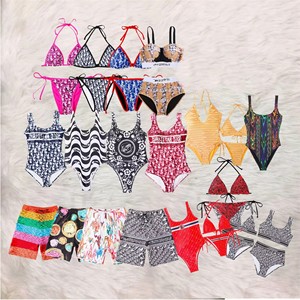
Optimized anatomically for Japanese women and men, featuring ultra-soft stretch recovery, modest bust/hip cut ratios, and premium tactile skin comfort for hot springs, thermal spas, and luxury resorts.
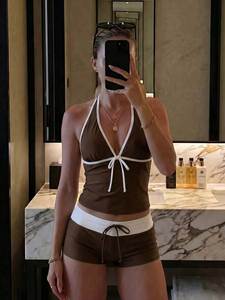
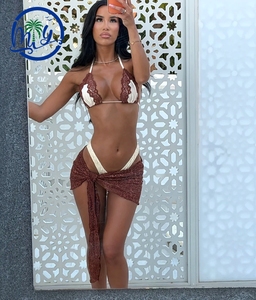
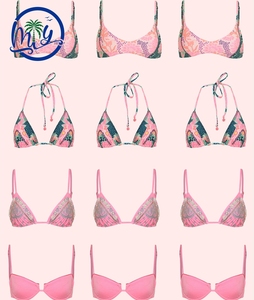
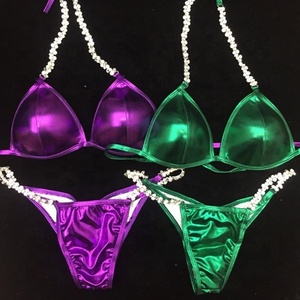
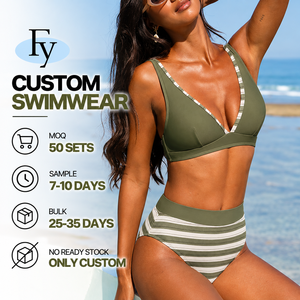
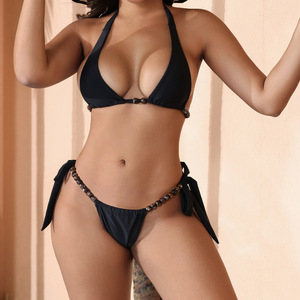
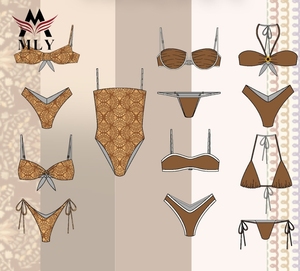
Entering Japan's swimwear retail matrix requires a nuanced understanding of geographic lifestyle habits, socio-cultural modesty norms, and environmental variables unique to the archipelago.
Modern Japanese hot spring complexes and "Kurhaus" facilities permit specialized swimwear. Standard Lycra degrades rapidly in sulfur and mineral-heavy thermal waters exceeding 40°C. Our production integrates chlorine- and sulfur-proof high-gauge poly-elastane blends that maintain elasticity, zero transparency under intense steam, and optimal color retention through 200+ hours of continuous hot immersion.
For sub-tropical destinations like Ishigaki, Miyakojima, and Kanagawa's surfing coastlines, Japanese consumers demand ultra-high UV protection. Skin cancer prevention and anti-photoaging drive purchasing. We engineer complete sets with certified UPF 50+ blocking, paired with modular long-sleeve rash guards and rash-leggings featuring flatlock ergonomic seams that eliminate chafing during stand-up paddling (SUP) and coastal diving.
Urban retail formats demand versatile 3-piece and 4-piece resort wear coordinates. Japanese shoppers prioritize subtle body-contouring ("Taikei Cover") that sculpts the waistline and hips without aggressive revealing cuts. We supply premium multi-piece capsules integrating flowing skirts, tailored shorts, and light kimonos that seamlessly transition from boutique hotel pools directly to terrace café dining.
Actionable data insights for merchandising directors, brand managers, and independent fashion founders looking to capture market share in Japan's distinct apparel landscape.
Consumer sentiment studies across Rakuten and ZOZOTOWN indicate that over 74% of Japanese female shoppers search for "slimming silhouettes" and "upper arm/hip camouflage." High-waisted briefs with tummy-control compression panels, gathered ruching across the lower abdomen, and structured flutter sleeves dominate sales volume, outperforming ultra-revealing Western micro-cuts by an 8:1 ratio in conventional retail.
Tier-1 Japanese trading conglomerates (Sogo Shosha) and departmental buying groups require transparent chain-of-custody documentation. We deliver complete traceability with GRS (Global Recycled Standard) verified REPREVE® polyester yarns and ECONYL® regenerated nylon from ocean ghost nets, verified down to each manufacturing batch with genuine transaction certificates to prevent greenwashing claims.
Japanese consumers maintain high sensitivity to fabric touch ("Hadawari"). Itchy inner seams or rough stitch lines result in immediate product returns and negative e-commerce reviews. Our factory utilizes double-face peached microfiber linings, ultrasonic flat bonding, tagless heat-transfer brand labels, and formaldehyde-free dyestuffs fully certified under OEKO-TEX® Standard 100 Class I for baby-safe direct skin contact.
How our in-house Guangzhou manufacturing infrastructure meets and exceeds the stringent testing criteria demanded by Japanese inspection agencies (QTEC, Boken, and Nissenken).
| Inspection Parameter | Japanese Domestic Standard (Boken/QTEC) | Beyond Swimwear Factory Standard | Generic Commodity Factories |
|---|---|---|---|
| Colorfastness to Washing (JIS L 0844) | Grade 4.0 or above (minimal staining) | Grade 4.5+ (Zero dye bleed) | Grade 3.0-3.5 (Bleed risk) |
| Colorfastness to Light & Sea Water (JIS L 0888) | Grade 4.0 after xenon arc lamp exposure | Grade 4.5 Certified (200h Xenon) | Grade 3.0 (Fades rapidly) |
| Broken Needle & Metal Detection (Hashikensha) | Mandatory 100% check via 0.8mm Fe probe | Dual-pass 0.8mm Tunnel Sensor | Random spot check or none |
| Formaldehyde Absorbance (JIS L 1041) | Absorbance < 0.05 (Under 20 ppm) | OEKO-TEX Class I (Non-detectable) | Often uncertified dyestuff |
| Sewing Stitch Density & Seam Stretch | Min. 100% seam recovery without snapping | Woolly stretch yarn (120% recovery) | Standard polyester thread |
Established in Guangzhou in 2017, we have bridged precision manufacturing with responsive lead times, providing Japanese apparel partners with a direct factory alternative to costly trading houses.
Western swimwear patterns fail in the Japanese market due to torso length variances, wider pelvic spans, and specific bust arch designs. Our dedicated pattern engineering department utilizes Optitex 3D CAD modeling, grading accurately across JIS 7 (S), 9 (M), 11 (L), and 13 (LL) specifications with micro-calibrated cup depths and secure non-slip straps.
Eliminate clearance inventory markdown risk. Traditional apparel suppliers enforce minimum orders of 500-1,000 units per color, paralyzing emerging boutique brands. We offer 50 pcs per style/colorway across mixed Japanese size distributions, allowing brands to test seasonal drops on Makuake or ZOZOTOWN before initiating larger inventory commitments.
Our 6 in-house QC technicians audit every stage—from incoming fabric inspection (4-Point System) and color-differential spectrophotometry to in-line seam tensile testing and secondary needle detection. All shipments depart with exhaustive AQL 2.5/1.0 inspection certificates and zero loose-thread policies.
Clear, definitive answers addressing regulatory compliance, delivery timetables, private label customization, and sample validation protocols.
Avoid middleman commissions (typically 25-40%) imposed by traditional trading brokers (Shosha). You collaborate directly with our bilingual technical swimwear engineers.
Fast Response SLA: Technical inquiries, cost quotations, and sizing feasibility reviews answered within 2 hours during standard business operating hours.