Top Ranking
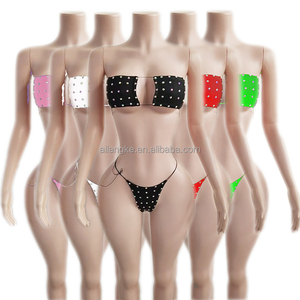
Factory-direct swim sets constructed from high-tensile four-way stretch nylon, chlorine-resistant Lycra, and recycled microfibers, graded accurately for East Asian sizing conventions.
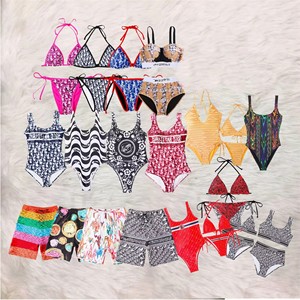
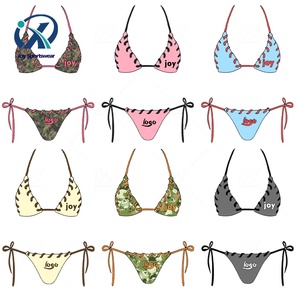
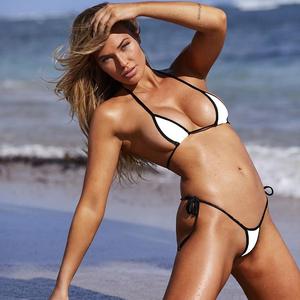
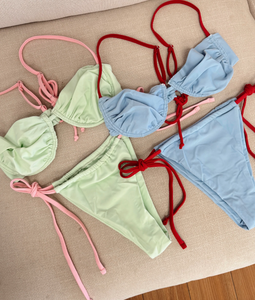
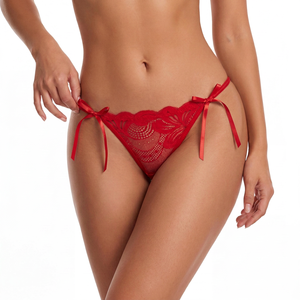
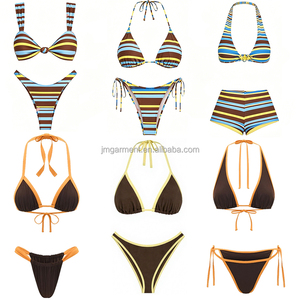
From the surf culture along the Pacific-facing Atsumi Peninsula to the elevated wellness spas of Sakae, Nagoya's swimwear purchasing patterns require differentiated technical performance.
Coastal areas around Utsumi Beach and Tahara demand durable, sand-shedding, and salt-resilient fabrics. Active beachgoers prioritize double-lined sets and UPF 50+ rash-guard combinations that tolerate aggressive marine sun exposure without losing elasticity or surface pile.
High-end retail districts such as Sakae and Nagoya Station require sophisticated color schemes, modest layered cover-ups, and elegant ruched details. Consumers seek premium tactile finishes like matte Italian Carvico or fine rib textures that transition effortlessly from hotel poolside to outdoor terrace lounges.
Proximity to massive aquatic complexes like Nagashima Resort drives strong demand for chlorine-proof fabric chemistry. Swimmers require fiber stability tested for up to 200 hours in heated chlorinated water, ensuring zero fabric degradation, sagging, or transparency when damp.
The Nagoya metropolitan economy represents a sophisticated commercial territory where consumer purchasing behavior balances understated sophistication with high expectations for manufacturing integrity. As the logistical and corporate heart of central Japan, Nagoya-based apparel buyers and department store category managers evaluate OEM swimwear suppliers through a strict lens of material performance, chemical safety, and sizing precision.
A notable trend within Aichi Prefecture is the consumer shift toward "3-piece and 4-piece beach ensembles." While classic two-piece bikinis sustain solid baseline demand, modern Japanese consumers prefer coordinated beach sets that integrate high-waist bottoms, removable padded bandeau tops, lightweight wrap skirts, and UV-blocking long-sleeve rash vests. The priority is skin protection (Bi-Hada aesthetics) without sacrificing contemporary silhouette lines. Sourcing partners that can deliver matching sets under uniform dye lots achieve superior retail turnaround.
Nagoya's consumer demographics increasingly align purchasing decisions with corporate ESG commitments. Retailers require transparent certification trails verifying the origin of recycled polyester (such as REPREVE® post-consumer bottle flakes) or regenerated polyamide (ECONYL® fishing net reclamation). A simple generic "eco-friendly" badge is no longer sufficient; category buyers demand OEKO-TEX® Standard 100 Class I verification to assure zero carcinogenic amines or heavy metals come in contact with sensitized skin during warm weather recreation.
Traditional mass-production facilities in Southeast Asia typically enforce minimum order barriers of 500 to 1,000 units per colorway, compelling Japanese domestic buyers to carry excessive inventory risk during short domestic summer seasons. By contrast, factory-direct operations offering targeted batch production from 50 pieces per style allow Nagoya brands to execute rapid seasonal test drops, evaluate sell-through analytics via Chubu Centrair or Port of Nagoya entry gates, and initiate replenishment runs within a compressed 15-to-20-day timeframe.
| Evaluation Parameter | Beyond Swimwear Co., Ltd. | Traditional Trading Intermediaries | Local Market Advantage |
|---|---|---|---|
| Minimum Order Volume | 50 pcs per style / colorway | 500 - 1,000 pcs rigid MOQ | Mitigates Tokai seasonal markdown inventory risks |
| Certification Trail | GRS (GRC03701) & OEKO-TEX® (SH050 230239) | Third-party untraceable claims | Direct compliance with Japan Textile Safety Laws |
| Production Lead Time | 15–20 working days bulk completion | 45–65 days through subcontract layers | Enables rapid mid-season replenishment in peak summer |
| Pattern Grading Standards | Dedicated East Asian XS–3XL anthropometrics | Generic Western standardized blocks | Precise cup coverage and pelvic contouring for Japanese fit |
| Quality Assurance Lead | AQL 2.5 In-House / 6 Dedicated QC Specialists | Third-party batch visual inspection | Zero needle fragments, clean flatlock seams, no seam-pop |
Established in Guangzhou in 2017, Beyond Swimwear Co., Ltd. operates an agile, vertically integrated manufacturing facility engineered to meet high-expectation export demands.
Prototype from tech pack to sample in 2–3 weeks with free fit-revision iterations. Scale production seamlessly from 50 to 50,000 pieces with mixed sizing (XS to 3XL) mapped within a single production run.
Dedicated pattern masters utilize computer-aided design for flatlock, zigzag, and seamless construction. Specialized stitch grading maintains tensile recovery along leg openings, straps, and underbust bands.
Six in-house quality control inspectors review materials before cutting, during inline stitching, and prior to packaging. Every batch undergoes needle-detection scans and stretch-burst evaluation.
Direct courier partnerships with DHL, FedEx, and sea freight lines ensure consignments clear Chubu Centrair International Airport or Nagoya Port customs within 4 to 7 business days from dispatch.
Direct answers addressing technical specs, payment security, custom labeling, and international trade compliance.
Whether you are developing an upscale resortwear capsule for Meieki department stores or high-durability swimwear for Tokai surf circuits, our Guangzhou factory floor provides the flexibility, speed, and technical quality control required to lead the market.