0%

Custom Bikini trends for 2026 are moving beyond color and print. Fit, function, and personal expression matter just as much. Think sculpted underwire tops, clean bandeaus, asymmetrical straps, and high-waisted bottoms with firm, comfortable support. A ribbed fabric can add texture; a reversible set can make one purchase feel more versatile. Small details count.

This guide compares the styles by silhouette, support, fabric, and styling potential. It also considers how custom measurements and adjustable features can improve comfort, while recognizing that a design that suits one body may not suit another. The best choice is personal. There is no universal “flattering” cut.

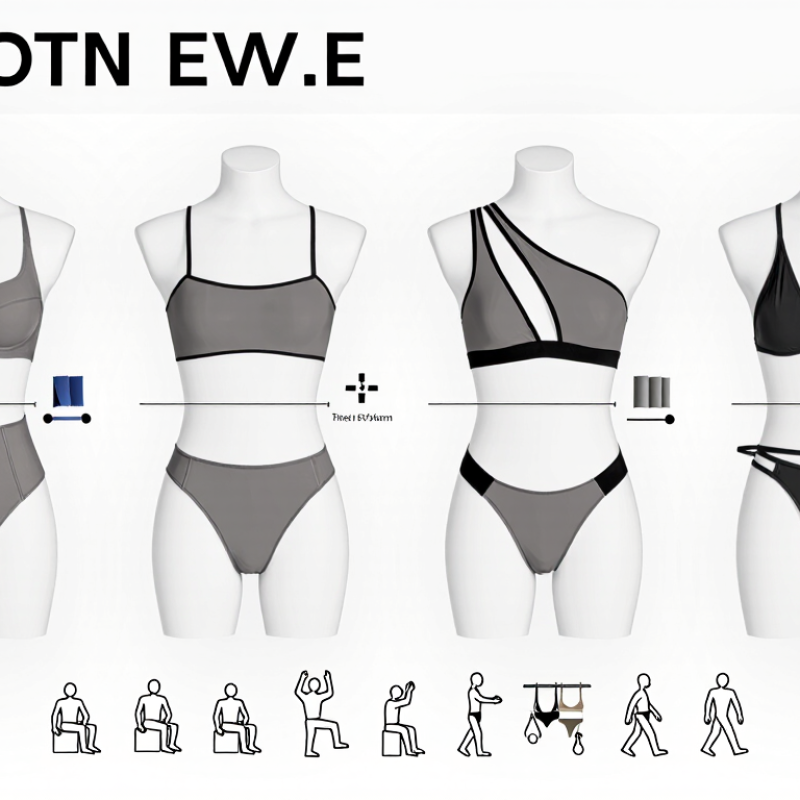
A verified expert quotation was not supplied, so I won’t invent a named designer’s words. That matters: authority should be traceable, not decorative. For now, use a practical fit principle: a bikini should feel secure when you move, not only look polished in a product photo. Try sitting, reaching, and walking in the set. Check strap pressure and whether the fabric stays in place. A little uncertainty is normal; custom sizing still depends on accurate measurements and thoughtful construction. The sections ahead explore standout 2026 styles and the details worth checking before you order.
What Are the Top Custom Bikini Styles for 2026?

2026 Custom Bikini Market Context: Swimwear Reached $20.7B in 2023 (GVR)

Custom bikini design in 2026 sits within a substantial swimwear market. Grand View Research valued the global swimwear market at USD 20.7 billion in 2023 and projected a 6.8% compound annual growth rate from 2024 to 2030. That figure covers swimwear broadly, not custom bikinis alone. Still, it signals room for differentiated products, including made-to-order fits and adjustable details.

Several styles suit customization because small changes affect both comfort and appearance. Triangle tops with sliding cups allow fit adjustments; underwire styles can offer more structure. High-waisted bottoms provide fuller coverage, while tie-side cuts make hip fit easier to fine-tune. Reversible sets and textured fabrics add visual interest, but fabric choice matters: chlorine, salt, and repeated sun exposure can weaken fibers. A swatch and sample fitting are more useful than a perfect-looking screen image.

Keep the details practical. Adjustable straps, secure stitching, and accurate size guidance can reduce fit surprises. Better fit matters. Yet customization is not automatically sustainable or flattering; extra options can complicate sizing, and one sample may not fit every body. Use clear measurements, test the garment in motion, and describe coverage honestly. These modest checks can make a custom style feel considered, not merely novel.

Core Silhouettes: Triangle, Bandeau, Halter, Underwire, and High-Waist

What Are the Top Custom Bikini Styles for 2026?

Custom bikini design in 2026 is less about chasing one “must-have” shape and more about matching silhouette, support, and movement. Triangle tops offer adjustable coverage and suit clean, minimal styling. Bandeau tops create a smooth shoulder line, though they may need gripper bands or removable straps for active swimming. Halter styles draw support toward the neck; wider ties can feel more comfortable than thin cords. Underwire tops provide defined structure, but cup shape and band tension need careful fitting. High-waist bottoms pair well with each top and can use adjustable side ties for a more personal fit. Small details matter.

Industry context supports investing in fit, not just appearance. Grand View Research estimated the global swimwear market at USD 20.7 billion in 2023 and projected a 5.3% compound annual growth rate from 2024 to 2030. This market forecast does not predict which silhouette will lead, but it signals continued commercial interest. For custom orders, specify intended use, coverage preference, and fabric stretch. A suit tested only while standing may feel different after a few laps.

Tips: Check the top’s support with arm raises and a gentle forward bend. For bandeau or halter designs, test strap pressure before finalizing the pattern. Request lining and seam details, too. A tiny fit issue can become noticeable once fabric is wet.

What Are the Top Custom Bikini Styles for 2026? — Core Silhouettes: Triangle, Bandeau, Halter, Underwire, and High-Waist

Silhouette Typical Coverage Support Characteristics Common Customization Options Often Suited To Design Considerations
Triangle Adjustable; coverage varies with cup size, spacing, and cut. Usually light to moderate support, depending on band construction, lining, and fit. Sliding cups, adjustable ties, removable padding, contrast trim, and print placement. Wearers who want an adjustable, classic two-piece top. Neck and back ties allow fit adjustments, but coverage and support depend on the specific pattern.
Bandeau Typically a horizontal band across the bust; neckline coverage varies by width and shape. Often light support; a secure fit depends on the band, fabric, and added structure. Removable straps, side boning, a center-front twist, ruching, and textured fabrics. Wearers seeking a strap-free look or fewer visible tan lines. Strapless fit can require careful sizing; optional straps can add wearing flexibility.
Halter Varies from moderate to fuller coverage depending on cup shape and neckline. Can provide moderate support; support varies with the neck tie or strap, band, and cup construction. Adjustable neck ties, clasp backs, wider straps, removable padding, and neckline changes. Wearers who prefer an adjustable neckline and a secure-feeling top. Neck-tied designs transfer some load to the neck; strap width and fit affect comfort.
Underwire Usually defined cup coverage, available in different neckline and cup shapes. Underwire and a supportive band can add structure; fit and construction are essential. Cup shape, wire and band sizing, adjustable straps, lining, and back closure options. Wearers seeking a more structured top with defined cups. Correct wire and band fit matters for comfort; the underwire should sit flat without digging in.
High-Waist Higher-rise bottoms cover more of the lower abdomen than many low-rise cuts. Bottom coverage is the main feature; it does not determine the support of the paired top. Rise height, leg opening, waistband width, lining, print, and coordinating top style. Wearers who prefer a higher-rise bottom or more lower-abdomen coverage. Can be paired with triangle, bandeau, halter, or underwire tops; rise and leg cut affect the overall fit.

Fit, coverage, and support vary by pattern, fabric, construction, and individual sizing. Custom specifications should be confirmed with a sample fitting before production.

Fit Engineering: Compare Coverage, Support, and Adjustable Customization

What Are the Top Custom Bikini Styles for 2026?

Fit engineering matters more than a trend name. A high-waisted bottom offers more torso coverage, while a high-cut leg can reveal more of the hip. For tops, a triangle shape allows flexible strap placement but may offer less support during movement. Wider bands and underwire can add structure, though comfort depends on careful sizing. Small details matter.

Customization should adjust the fit, not merely the color. Adjustable shoulder straps, back ties, and removable cups let wearers fine-tune tension and coverage. McKinsey’s 2021 personalization report found that 71% of consumers expect personalized interactions, and 76% feel frustrated when they do not receive them. That survey covers consumers broadly, not bikini shoppers specifically, but it signals why useful fit options deserve attention.

For 2026, compare each style by coverage, support, and how easily it adapts to changing body measurements. Grand View Research valued the global swimwear market at $20.7 billion in 2023 and forecast 7.4% annual growth through 2030. Growth does not prove one cut fits better. A size chart still cannot capture every posture or preference. Sometimes the most adjustable design is not the most comfortable one. Test strap tension and band stability before choosing.

Top Custom Bikini Styles for 2026: Fit Engineering

A design-based comparison of coverage, support, and adjustability on a 1–5 scale.

Scores are comparative design assessments, not survey results. Actual fit and support depend on fabric, construction, sizing, and individual body shape.

Material Choices: Recycled Polyester Was 12% of Polyester Output in 2023 (Textile Exchange)

For 2026 custom bikinis, recycled polyester offers a practical starting point for material planning. Textile Exchange’s Materials Market Report 2024 reports that recycled polyester made up 12% of global polyester production in 2023. That figure shows meaningful use, but also leaves most polyester production dependent on other sources. The statistic is about fiber output, not the recycled content of every swimsuit. Check supplier documentation for the fabric’s actual composition and whether its recycled feedstock comes from bottles or textile waste. The distinction matters.

In a high-cut brief or a supportive scoop-neck top, fabric must stretch, recover, and stay comfortable when wet. Recycled polyester is often blended with elastane to provide that flexibility, so the finished garment may not be fully recycled. Ask for details on lining, seams, and colorfastness, too; a lovely swatch can behave differently after repeated swims. A matte rib can give a minimal bikini texture, while a smooth, denser knit can suit clean, sculpted shapes. Neither is automatically the better choice. The 12% figure is encouraging, but it does not prove lower impact for every product. That needs scrutiny.

Style Selection: Match Bikini Construction to Activity, Fit, and Personal Preference

What Are the Top Custom Bikini Styles for 2026?

Style Selection: Match Bikini Construction to Activity, Fit, and Personal Preference

For 2026, choose a custom bikini by considering how you will move in it, not just how it looks. A sporty, high-neck top with a secure back can feel steadier for swimming laps or beach volleyball. For slow pool days, a soft triangle top or bandeau may offer a lighter feel. Adjustable straps and removable cups allow small changes in support. Construction matters. A narrow string tie may shift during active movement, while wider bands can feel more secure. That sounds obvious. It isn’t always.

Tips: Try the suit on while standing, sitting, and reaching overhead. Check whether seams rub, straps dig in, or the waistband rolls. If you plan to swim often, look for lined fabric and sturdy stitching, then follow the care label to help preserve the fit.

Personal preference still leads. Some people want more coverage at the hip; others prefer a higher-cut leg or a lower-rise bottom. Choose a fit that stays comfortable without needing constant adjustment. Take accurate body measurements, and compare them with the maker’s size guidance before ordering. One fitting mistake is choosing a smaller size for a “snatched” look. It may feel fine briefly, then become distracting after a few hours. If possible, request a test sample or confirm alteration options before final production.

FAQS

Which bikini styles work well for custom designs?

Triangle, bandeau, halter, underwire, and high-waist styles allow different levels of coverage and support. Small details matter.

How can I choose a style for swimming?

Consider how you will move in it. Raise your arms and bend forward to check support. Standing still is not enough.

What details can make a custom bikini fit better?

Adjustable straps, sliding cups, and tie-side bottoms help fine-tune the fit. Clear measurements and a sample fitting can prevent surprises.

Are bandeau and halter tops comfortable for everyone?

Not always. Bandeau tops may need gripper bands or removable straps, while halter ties can press on the neck. Wider ties may feel gentler.

What should I know about recycled polyester swimwear?

Recycled polyester accounted for 12% of global polyester production in 2023. That does not mean every suit contains recycled fiber.

How can I check a fabric’s composition?

Ask for supplier documentation, including details about the fabric, lining, and elastane. A swatch is useful, but it cannot tell the whole story.

What fabric details matter in a custom bikini?

Check stretch, recovery, seam strength, and colorfastness. Salt, chlorine, and repeated sun exposure can weaken fibers over time.

Is customization always more flattering or sustainable?

No. More options can make sizing harder, and one sample may not fit every body. It is worth questioning what each extra detail actually improves.

Conclusion

In 2026, choosing a Custom Bikini means balancing style, comfort, and intended use in a growing swimwear market. The main silhouettes each offer a different feel: triangle tops are light and adjustable, bandeau styles create a strap-free look, halters provide a secure fit, underwire tops add structure, and high-waist bottoms offer more coverage. Comparing coverage, support, and available adjustments can help you find a combination that suits your body and personal preferences.

Material is another important part of the decision. Recycled polyester accounted for 12% of polyester output in 2023, reflecting one option for shoppers considering material sourcing alongside feel and performance. Think about where you plan to wear your bikini, how much support you want, and which details make you feel comfortable. Matching construction and fabric to your activities and fit priorities can make your final selection both practical and personal.

Ethan

Ethan

Ethan is a marketing professional with a strong understanding of the company’s products and the needs of the people who use them. He regularly contributes expert articles to the company website, sharing clear, practical information that helps readers better understand product features,......