0%

Finding reliable bikini suppliers in 2026 takes more than comparing prices. Buyers need to check product quality, production capacity, communication, and delivery consistency. The market is expanding, but growth alone does not make every supplier dependable. Grand View Research estimated the global swimwear market at USD 21.43 billion in 2023 and projected a 5.1% compound annual growth rate from 2024 to 2030. A forecast, not a guarantee.

For buyers, the practical details matter most. Request a sample and inspect its stitching, lining, fit, and fabric recovery. Ask how the supplier tests colorfastness and manages size tolerances. Confirm minimum order quantities, sample costs, production lead times, and what happens when a shipment misses agreed specifications. A glossy catalog is not proof. Neither is a low quote. I would treat supplier claims as a starting point, then verify them against samples, references, and clear written terms.

A useful 2026 sourcing process should compare manufacturers and trading companies, assess their experience with Bikinis, and check whether their production schedule fits your launch calendar. Look for clear answers, consistent documentation, and realistic commitments—not promises that sound perfect. There is room for judgment here: one sample cannot reveal every production risk. This guide introduces practical ways to evaluate suppliers, ask sharper questions, and reduce avoidable surprises before placing an order.
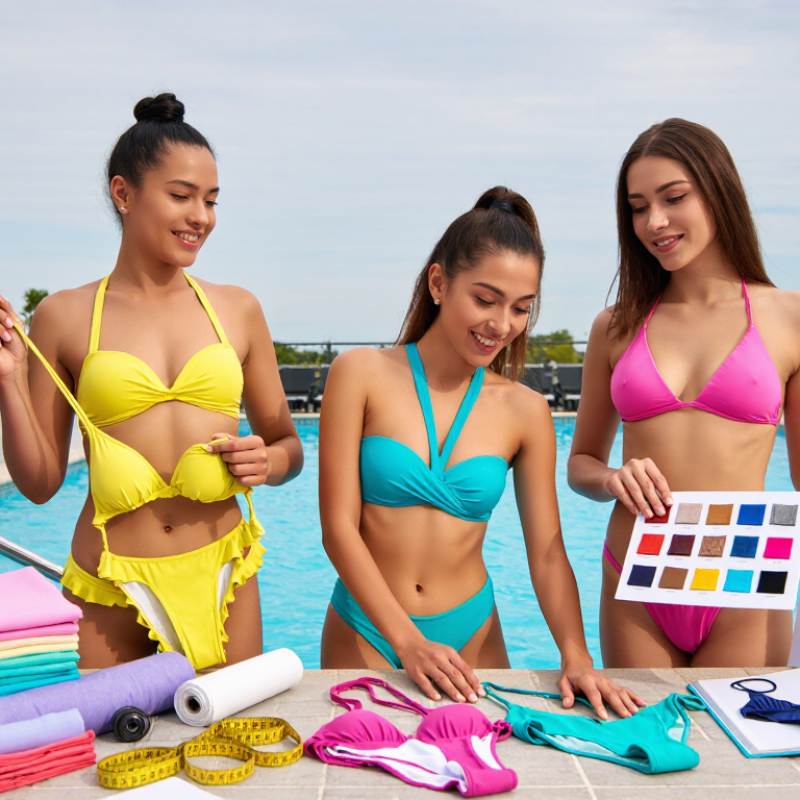
How to Find Reliable Bikini Suppliers in 2026?

Define Your Bikini Product and Supplier Requirements for 2026

Before contacting bikini suppliers in 2026, turn your product idea into a clear specification. Decide whether you need a sporty, everyday, or fashion-led swimsuit, then record the intended fabric composition, lining, coverage, hardware, and size range. Details matter. Add reference measurements for each size, including waist, rise, and strap length; “small” can mean different things between factories. If you have a target retail price, work backward to set a realistic cost range without quietly removing essential construction details.

Ask potential suppliers how they handle sampling, grading, fabric testing, and repeat orders. Specify practical checks, such as consistent stitching, secure strap attachments, and colorfastness after exposure to chlorine or saltwater. Request relevant test reports or explain what testing you expect; a polished sales sheet alone is not proof. Fit is personal. Arrange samples in more than one size and assess them on real wearers before approving bulk production. A common sourcing mistake is approving a beautiful sample without checking whether its fit and fabric match the intended customer.

Define operational requirements too: minimum order quantities, sample charges, production capacity, lead times, and how delays are communicated. Ask what records the supplier can provide for fabric composition and sourcing, and confirm details in writing. You may not know every specification at the start. Mark assumptions clearly, then revise them after reviewing samples and feedback.

Identify Suitable Supplier Types and Sourcing Channels

In 2026, match the supplier type to your order size and product needs. A factory offering OEM production can work from your design, while an ODM supplier may adapt an existing pattern. Wholesalers are useful for testing ready-made styles with smaller commitments, though fabric and fit choices may be limited. Sourcing agents can help compare factories and coordinate samples, but ask how they earn fees. Small trial orders matter. Grand View Research estimated the global swimwear market at US$20.47 billion in 2023 and forecast 6.8% annual growth from 2024 to 2030. That signals a sizable market, not guaranteed demand for your particular cut or price point.

Find candidates through trade fairs, verified B2B directories, referrals, and direct factory outreach. Treat directory listings as leads, not proof. Request a physical sample, a written fabric specification, minimum order quantities, production lead times, and recent quality-control records. Check the seams. Stretch the fabric, inspect lining coverage, and compare measurements against your size chart. Ask whether the quoted price includes labels, packaging, and sample revisions. An audit or video call can clarify equipment and capacity, but neither replaces checking a finished sample. I would also ask for a small pilot run; it may feel slow, yet skipping it can make problems expensive. Keep communication records, and confirm who handles defects before paying a deposit.

Verify Supplier Credentials, Experience, and Production Capacity

A reliable bikini supplier should be able to show more than a polished catalog. Request business registration details, facility information, and relevant quality certificates, then check who issued each document and whether it is current. Ask how long the factory has produced swimwear and what materials it handles, such as chlorine-resistant fabric, lining, and elastic. Specific answers matter. Vague promises do not.

Check experience against real production evidence. Request samples, inspect seam tension and lining coverage, and compare the finished pieces with your specifications. Ask for references from buyers with similar order sizes, while respecting their privacy. A factory visit or live video call can reveal sewing stations, fabric storage, and quality checks in progress. No checklist catches everything.

Production capacity needs careful questioning. Ask how many pieces the facility can make per month, what other orders share the line, and how it handles delays or rejected items. A large stated capacity may not reflect available capacity during peak season. Request a production schedule with sample approval, cutting, sewing, and inspection dates. Then compare those dates with the supplier’s previous delivery records. I would still leave room for doubt: one successful sample does not prove consistent bulk quality. A small trial order can expose gaps before a larger commitment.

Evaluate Samples, Materials, Quality Standards, and Compliance

A reliable bikini supplier should welcome detailed sample checks, not just send polished showroom pieces. Request production-level samples in several sizes, then inspect them after washing and stretching. Check whether seams lie flat, lining stays opaque when wet, and elastic returns without twisting. Small details matter. Rub a damp white cloth over dark fabric to spot color transfer, and compare each size against the measurement chart. Fit can vary more than expected, even within one sample set.

Ask for fabric composition, care instructions, and current test reports tied to the material or production lot. For swimwear, confirm that testing addresses colorfastness, stretch recovery, and exposure to chlorine or salt water. Request evidence for any recycled-content claim rather than relying on a label alone. Quality standards should be written into the order: tolerances for measurements, stitching, shade variation, and defect rates help prevent vague disputes. That takes time.

Compliance depends on where the products will be sold. Ask the supplier how they verify fiber labeling, care labels, and applicable chemical restrictions for each target market. Check report dates, laboratory details, and whether the tested fabric matches the sample. A document can look convincing and still cover the wrong material. I would not treat one successful sample as proof that every bulk order will match; agree on pre-shipment inspection and keep an approved reference sample.

Compare Costs, Confirm Contract Terms, and Monitor Performance

A low unit price can hide costly gaps. Compare quotes using the same quantities, fabric weight, lining, trims, packaging, and shipping terms. Ask suppliers to separate sample fees, production costs, and freight. Then calculate the landed cost per usable swimsuit, including expected defects or rework. Small differences matter.

Confirm the contract in plain language before paying a deposit. Record the approved sample, size chart, color references, order quantity, delivery dates, and inspection method. Specify what happens if items arrive late or differ from the sample, and set out payment milestones and defect remedies. Vague wording invites disputes. Keep signed documents and written changes together; scattered chat messages are easy to misread.

Monitor performance with a simple order log. Track sample revisions, production updates, inspection results, shipment dates, and response times. Request dated photos of fabric, stitching, labels, and packed cartons at agreed checkpoints. Compare actual defects with the agreed tolerance, not just a supplier’s general assurance. If one shipment performs well, verify the next one too; materials or staff can change. My tracking may still miss early warning signs, so a neat spreadsheet is not proof of quality.

How to Find Reliable Bikini Suppliers in 2026?

Compare Costs, Confirm Contract Terms, and Monitor Performance

Suggested scorecard weighting for comparing suppliers: assess landed cost alongside clear contract terms, product quality, and delivery performance. These percentages are a practical decision-making framework, not reported industry averages. Compare written quotes on the same specifications, document terms before ordering, and track quality and on-time delivery for every production run.

FAQS

What should I specify before contacting a bikini supplier?

Record fabric composition, lining, coverage, hardware, and size range. Include waist, rise, and strap measurements. “Small” can vary.

How can I check whether a sample matches my product requirements?

Compare its stitching, lining coverage, and fit with your written specifications. Try more than one size on real wearers. Fit is personal.

What fabric checks should I ask about?

Ask about fabric testing and colorfastness after chlorine or saltwater exposure. Request relevant test reports. A sales sheet alone is not proof.

Which supplier credentials should I verify?

Request business registration details, facility information, and relevant quality certificates. Check who issued each document and whether it is current.

How can I assess a supplier’s production experience?

Ask about swimwear experience and the materials handled, including lining and elastic. Review samples and, if possible, observe production by video call.

What should I ask about production capacity?

Ask how many pieces the facility can make monthly and which other orders share the line. Capacity may shrink during peak season.

Which schedule details should I confirm?

Request dates for sample approval, cutting, sewing, and inspection. Ask how delays are reported, then compare the schedule with past delivery records.

Is a successful sample enough to approve a large order?

Not necessarily. One good sample cannot prove consistent bulk quality. Consider a small trial order, though it may not reveal every issue.

Conclusion

Finding reliable Bikinis suppliers in 2026 starts with clearly defining your product range, target customers, expected order volumes, quality requirements, and delivery schedule. Use these details to identify suitable supplier types and sourcing channels, then compare potential partners based on their relevant experience, credentials, communication, and demonstrated production capacity. Ask for clear information about minimum order quantities, lead times, customization options, and how they manage production during busy periods.

Before placing a larger order, evaluate samples for fit, construction, fabric quality, color consistency, and durability. Confirm that materials and finished products meet your stated quality and applicable safety requirements, and request supporting documentation where appropriate. Compare total costs rather than focusing only on unit prices, and put specifications, timelines, payment arrangements, inspection expectations, and remedies for problems in writing. After choosing a supplier, monitor sample approvals, production updates, delivery performance, and product consistency so you can address issues early and build a dependable working relationship.

Charlotte

Charlotte

Charlotte is a professional marketing specialist with a strong understanding of the company’s products, services, and customer needs. She regularly updates the company website with informative, practical blog articles that explain product features, explore industry developments, and help readers......